Yearly Maintenance
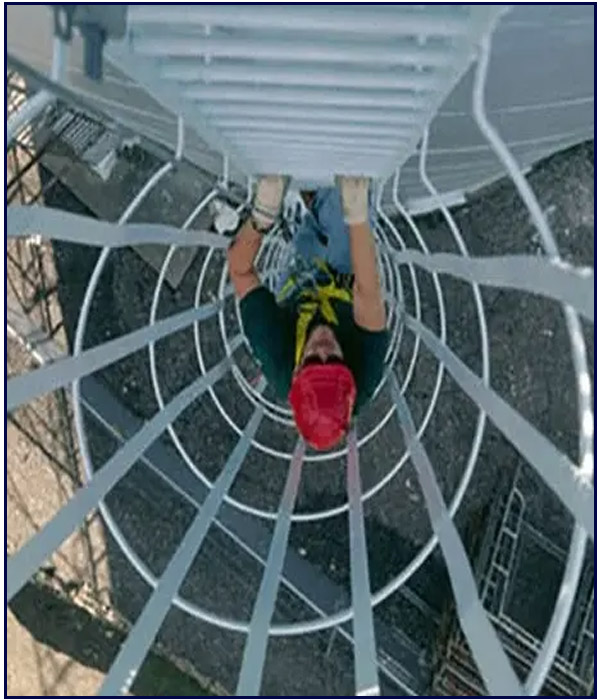
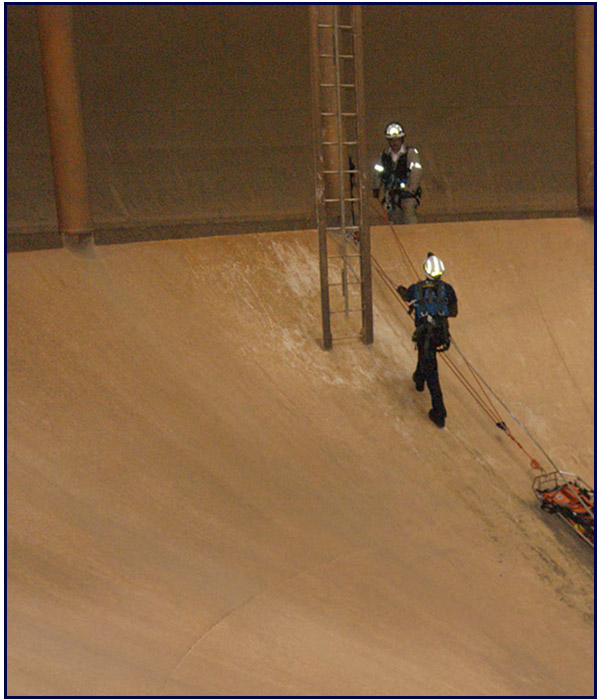
Ascher Industrial Maintenance offers the most comprehensive maintenance programs in the industry. Yearly maintenance of an elevated water tank follows a systematic process designed to preserve structural integrity, protect water quality, and extend the service life of the asset. The process typically includes the following steps:
1. Visual Inspection – Conduct a detailed exterior and interior inspection of the tank, roof, shell, support structure, ladders, platforms, and safety systems to identify corrosion, coating failure, leaks, or structural concerns.
2. Coating and Corrosion Assessment – Evaluate the condition of interior and exterior coatings, noting areas of peeling, blistering, rust, or exposure of bare steel that may require touch-up or future rehabilitation.
3. Welding and Structural Review – Inspect welds, connections, and critical structural components for cracks, deformation, or fatigue, addressing any deficiencies with qualified welding repairs as needed.
4. Cleaning and Sediment Monitoring – Check for sediment buildup or biological growth in the interior of the tank and perform cleaning or silt removal if necessary to maintain potable water quality.
5. Appurtenance Maintenance – Inspect and service valves, vents, hatches, overflow systems, level indicators, cathodic protection systems, and safety equipment to ensure proper operation and compliance.
6. Pressure Washing and Minor Repairs – Pressure wash exterior surfaces as needed and complete minor repairs such as sealant replacement, bolt tightening, and spot coating repairs.
7. Documentation and Reporting – Record findings, photographs, and measurements, and prepare a maintenance report outlining current conditions, completed work, and recommendations for future repairs or capital improvements. This annual maintenance process helps prevent unexpected failures, reduces long-term repair costs, and ensures the continued safe operation of the elevated water tank.